

Why MovitOn’s $2 million Matters for Global Logistics Market
MovitOn, a Dubai-based decentralized AI-driven logistics company, has secured $2 million in a successful community pre-sale, marking a major milestone in its mission to transform global cross-border shipping through artificial intelligence, blockchain, and peer-to-peer traveler-powered delivery.
The pre-sale round, concluded earlier in February 2026, shows strong community support and deep confidence in MovitOn’s innovative approach to addressing persistent challenges in international shipping and last-mile delivery.
MovitOn’s $2 million raise matters because it directly funds a model designed to solve these pain points simultaneously. Its platform connects senders with verified travelers, turning everyday mobility into a distributed courier network. This “every traveler becomes a courier” vision fundamentally changes how shipping capacity is created. Instead of depending solely on centralized fleets and warehouses, MovitOn taps into existing travel routes to unlock underutilized logistics bandwidth worldwide.
This has profound implications for the logistics market because it introduces a more asset-light, scalable, and community-driven infrastructure layer.
The funding round is timely and crucial for the company’s growth phase as it prepares for the beta app expansion, the smart MovitBox IoT terminal deployment, and the testnet scheduled for April 2026.
Proceeds of the funding will accelerate the development of core platform features, including proprietary MovitBox™ smart IoT terminals, AI-driven compliance systems, and the scheduled mainnet launch later this year.
At a time when international shipping continues to struggle with rising costs, slow delivery timelines, limited weekend operations, and fragmented trust systems, the funding milestone validates a new model built on Web3, artificial intelligence, and peer-to-peer delivery infrastructure.
The significance of this raise lies in what it represents: market confidence in logistics as the next major real-world blockchain use case. For years, blockchain innovation has largely focused on finance, payments, and digital assets. MovitOn pushes that innovation into one of the world’s largest and most essential industries: global shipping and last-mile logistics. By attracting strong community backing, the company has demonstrated that investors and users increasingly believe the traditional logistics model is overdue for disruption.
MovitOn’s long-term vision of turning everyday traveler routes into trusted, cost-effective delivery lanes has earned it the nickname “Uber for centralized logistics.”
The platform is said to deliver up to 75 percent cost reduction when compared to traditional carriers like DHL, UPS, and FedEx, while also enabling same-day delivery in most cases.
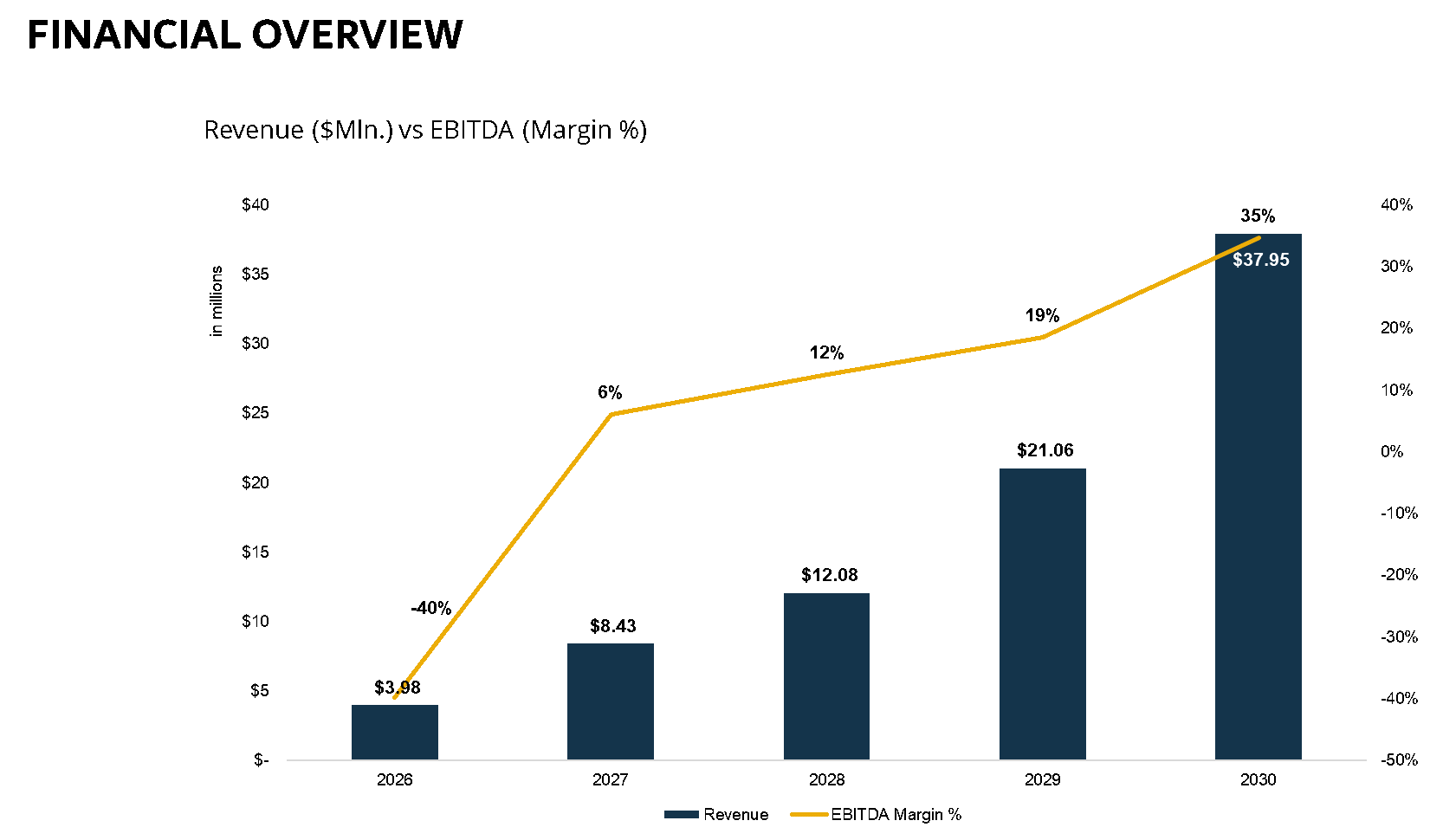
According to MovitOn’s market research, the global P2P sharing economy market is projected to soar from $260.26 billion in 2024 to $1.38 trillion by 2030, portraying the speed at which consumers are patronizing decentralized service models.
MovitOn is right in the middle of big trends like decentralized logistics, AI-driven marketplaces, blockchain escrow, ways for travelers to earn money, token-based sharing economies, and international e-commerce
This combination makes the startup especially attractive in a market increasingly demanding faster delivery, lower costs, borderless settlement, and real-time trust.
A Major Step for Web3’s Real-World Utility Narrative
Another reason this funding matters is its role in advancing the broader real-world asset (RWA) and Web3 utility narrative.
Many blockchain projects still struggle to demonstrate practical everyday use. Logistics is different. Every package moved, every customs checkpoint cleared, and every delivery completed is tangible value creation.
MovitOn’s raise suggests the market increasingly sees physical supply chain movement as a credible blockchain-powered utility layer. Its use of smart contracts, AI verification, tokenized payments, and staking transforms logistics from a service marketplace into programmable infrastructure.
This is important for the wider Web3 market because successful execution could encourage more investment into: decentralized supply chains, tokenized trade finance, smart warehousing, IoT-enabled shipment custody and cross-border compliance automation.
In other words, this raise may become part of a much larger wave of investment in Web3 logistics.
Strategic Importance of Dubai as a Launchpad
The location of the raise also matters.
By anchoring its growth story in Dubai, MovitOn positions itself within one of the world’s most strategic logistics and fintech hubs. Dubai offers global flight connectivity, strong MENA trade access, international business concentration, supportive innovation and high cross-border shipping demand.
This arrangement gives the company immediate access to high-value trade routes linking Europe, Asia, Africa, and the Middle East.
For the global market, this move increases the likelihood that MovitOn can scale rapidly across strategic corridors where traditional logistics inefficiencies are most expensive.
Why This Matters for SMEs and Cross-Border Commerce
The biggest beneficiaries of this disruption may be small and medium-sized enterprises (SMEs).
Many SMEs struggle to compete globally because international delivery costs eat deeply into profit margins. For merchants shipping fashion, electronics, pharmaceuticals, or urgent business documents, courier costs can make smaller orders economically impossible.
MovitOn’s claim of up to 75% lower costs could dramatically improve unit economics for African exporters, UAE re-export merchants, diaspora-driven small businesses, social commerce sellers, Amazon and Shopify merchants, and B2B spare parts suppliers.
This means the $2 million raise is not only important for one startup; it could improve global trade participation for smaller businesses that have historically been priced out of fast cross-border logistics.
For emerging markets, this development is especially meaningful.
A Nigerian SME shipping urgent electronics parts to Dubai, or a UAE-based merchant sending luxury items to Lagos, could benefit from a more cost-efficient and faster corridor model than conventional providers.
Founder Erik Beken Tleubeck on Global Logistics Innovation

Founder and CEO, Erik Beken Tieubeck
MovitOn’s founder and CEO, Erik Beken Tleubeck, a seasoned entrepreneur with over 20 years of experience spanning across diverse fields such as IT, green energy, and logistics, says the pre-sale confirms a seismic market shift.
> “Global logistics has remained unnecessarily expensive, slow, and restrictive for far too long. This $2 million milestone is more than funding; it’s proof that people are ready for a new model. We’re building a world where every traveler can become a trusted courier and where anyone can move important items across borders faster, more affordably, and without the friction of legacy systems.”
Unlike traditional centralized logistics operations and networks in warehouses, MovitOn has enabled a seamless, user-friendly process that helps users to match with verified travelers moving along similar routes.
Payment systems are secured through blockchain-based escrow smart contracts and technology-driven, while AI systems are designed to optimize route matching, check risks, and ensure shipment compliance.
The result is a logistics layer that can reduce shipping costs while dramatically improving delivery speed, including on weekends and holidays.
Some key components that power the startup’s technologically driven logistics solutions are AI-powered scanning, traceable handoffs between senders and travelers, and the company’s proprietary IoT handover infrastructure designed to eliminate the need for in-person package exchanges. This is complemented by an adaptive compliance framework that helps navigate changing international shipping requirements across jurisdictions.

Co-Founder and Chief Architect, Vadim Andryan
Co-founders and chief architects Vadim Andryan, known for founding the encrypted communication network Crypviser, say MovitOn is focused on real-world blockchain utility from day one.
> “Traditional logistics providers continue to struggle with the same issues: high costs, rigid delivery windows, long timelines, and unnecessary item restrictions. We’re not simply improving delivery; we’re building an entirely new logistics economy where Web2 users can seamlessly enter a decentralized ecosystem and access real-world utility from day one.”

How MVON Token is Powering The Logistics Ecosystem
MovitOn’s native token, MVON, is designed to power payment solutions, escrow settlements, staking, governance participation, and loyalty incentives across the platform. The token model is designed to support long-term ecosystem activity through user incentives, staking rewards, and deflationary mechanisms such as scheduled token burns.
At the center of MovitOn’s rapidly expanding decentralized logistics infrastructure is MVON, the native utility token designed to serve as the economic backbone of the platform’s Web3-powered shipping ecosystem. As MovitOn advances its mission to transform global logistics through blockchain, artificial intelligence, and peer-to-peer delivery networks, MVON provides the transactional, governance, and incentive layer that keeps the entire system efficient, secure, and scalable.
The token plays a critical role in enabling seamless payment solutions across borders, solving one of the biggest pain points in traditional logistics: expensive and delayed international settlements. Through MVON, users can pay for shipment services, peer-to-peer traveler deliveries, premium AI compliance checks, and smart terminal access without relying on slow banking intermediaries. This tokenized payment layer helps reduce friction in cross-border trade while complementing MovitOn’s promise of up to 75% lower delivery costs compared to legacy providers such as DHL, UPS, and FedEx.
The tokenomics framework incorporates deflationary mechanisms through quarterly token burns, staking rewards, and comprehensive loyalty programs designed to incentivize sustained participation and ecosystem expansion.
To sustain long-term value, MVON incorporates deflationary tokenomics through quarterly token burns, alongside staking rewards and loyalty incentives. These scheduled burns gradually reduce circulating supply as ecosystem activity increases, linking real-world shipping demand with token scarcity. According to published reports, the broader tokenomics model is specifically designed to encourage sustained participation, ecosystem expansion, and repeat usage.
Another major strength of MVON is accessibility. Unlike many Web3-native ecosystems that remain difficult for mainstream users, MovitOn bridges Web2 and Web3 by allowing users to buy or withdraw through bank cards, Apple Pay, Google Pay, bank transfers, and traditional payment gateways. This lowers onboarding barriers and makes the token model practical for merchants, travelers, and global users who may not yet be crypto-native.
Ultimately, MVON is not just a token; it is the financial infrastructure powering MovitOn’s global logistics revolution, aligning payments, trust, rewards, governance, and real-world shipping utility into one scalable digital economy

Marco Kowalewski, Managing Partner
MovitOn Roadmap: Testnet, Beta App and Global Expansion
Following the successful pre-sale, MovitOn is moving to a crucial phase that entails a testnet launch in April 2026 as well as a beta mobile application release and expansion into priority markets across the UAE, MENA, Europe, and Asia. In the long run, the startup is built to scale towards reaching the apex in logistics; hence, the nickname “Uber for decentralized logistics.”
Amid blockchain escrow, MovitOn’s AI engine has one of the strongest and formidable defensive layers.
The platform uses AI for traveler ranking, route matching, risk scoring, prohibited item scanning, compliance checks, NLP-powered user interaction, and personalized marketplace recommendations.
The startup’s adaptive compliance engine helps to navigate rapidly changing shipping laws across different jurisdictions, which is a major problem in cross-border logistics. This is where MovitOn moves beyond “just a marketplace” into logistics infrastructure-as-a-service (IaaS).
The first major milestone on the roadmap is the launch of MovitOn’s testnet in April 2026. This stage is crucial because it allows the team to validate the blockchain backbone that powers the platform’s zero-trust logistics ecosystem.
The testnet will provide developers, early adopters, and community members with the opportunity to interact with the protocol before the scheduled mainnet launch later in the year. This controlled rollout helps identify technical bottlenecks, optimize user experience, and strengthen platform security before real-world mass deployment.
Following the testnet, the roadmap advances to the beta release of MovitOn’s mobile application, a major step toward mainstream adoption.
The beta app is expected to serve as the primary user interface for: booking deliveries, matching travelers with senders, real-time package tracking, escrow payment confirmation, AI customs and compliance alerts, MVON wallet integration, loyalty rewards management, staking participation and governance voting.
This phase is particularly significant because it bridges complex Web3 backend infrastructure with a familiar Web2-style user experience.
MovitOn’s goal is to make decentralized logistics as simple as booking a ride-sharing app. The mobile beta will likely play a critical role in onboarding merchants, travelers, diaspora users, SMEs, and cross-border e-commerce operators who need fast and low-cost global delivery solutions.
The success of MovitOn’s presale is a clear signal: global logistics is ready for a groundbreaking shift. Thanks to a combination of blockchain technology, artificial intelligence, and an engaged community, MovitOn is poised to become the new benchmark for fast, secure, and cost-effective shipping on a global scale.
This roadmap is more than a product timeline; it represents the gradual emergence of a new logistics standard powered by blockchain, AI, and peer-to-peer mobility networks.
From testnet validation to beta user adoption and global corridor expansion, each stage is designed to strengthen MovitOn’s mission of making same-day, borderless, low-cost shipping a global reality.
Final Strategic Takeaway
The deeper significance of MovitOn’s $2 million raise is that it funds a credible attempt to re-architect global shipping around software, trustless automation, and community-owned capacity.
It validates decentralized courier economics, blockchain escrow in logistics, IoT parcel custody, AI compliance automation, tokenized logistics incentives, and real-world Web3 utility.
For the global logistics market, this investment could mark the early phase of a transition from fleet-heavy centralized delivery models to intelligent, peer-powered shipping ecosystems.
If execution matches the ambition, this funding round may one day be viewed as the moment when logistics began evolving into a distributed digital infrastructure layer for global commerce.
About MovitOn:
MovitOn is a Web3 P2P delivery platform that connects senders with travelers for a 4x lower-cost global shipping experience than traditional couriers. The platform is secured by AI-matching technology and blockchain smart contracts and enables delivery of valuables. medications, and electronics without restrictions and delays. The native token, MVON, powers payments, staking, and platform access across the ecosystem.
Website | Twitter/X | Telegram | Discord

